


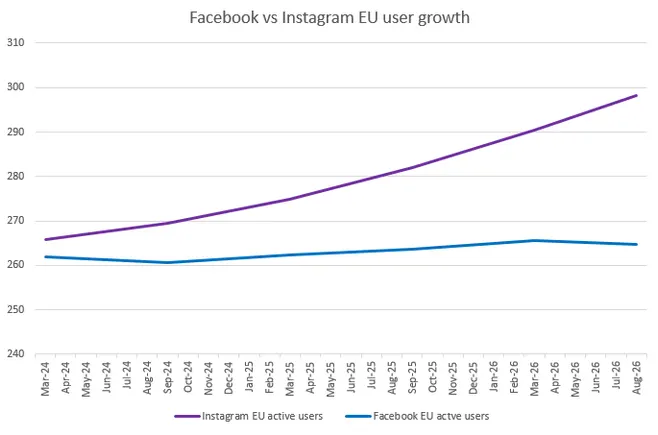
Meta's latest EU Digital Services Act report reveals that in the first half of 2026, Instagram reached 297 million active users in the EU, while Facebook had only 264 million, with Instagram significantly leading in growth. The report also disclosed data on reductions in content moderators and increases in reports of terrorism and child exploitation content.
Meta is upgrading its "Login with Facebook" feature, focusing on simplifying the login process so users can access third-party tools with fewer clicks using their Facebook credentials. This update includes one-click login for Android and web, improvements to the Limited Login flow, and optimizations for iOS fast app switching. Developers can integrate these new features through the latest SDK.

On August 26, Meta agreed to pay approximately $18 billion to settle a lawsuit filed by a coalition of attorneys general from 29 U.S. states. As part of the settlement, Meta has committed to implementing a series of new restrictions for users under 18 in the U.S., including a default two-hour daily usage limit, default disabling between midnight and 6 a.m., and default muting of notifications during school hours. This article explores the reasons behind Meta's decision to settle, the challenges of teen identity detection, the impact of usage limits on engagement, and the potential implications of these changes for marketers and Meta's overall business.
Meta has agreed to pay over $18 billion to settle lawsuits brought by 29 U.S. state attorneys general over social media harm to teenagers, and has pledged to implement a series of protections for minors.

AI-generated spam content is becoming a major challenge for social networks. A Pangram report indicates that 41% of long-form posts on LinkedIn show signs of AI generation, and about one-third on X. Although platforms are taking restrictive measures, rising user aversion to AI tools prompts reflection on the essence of social media.

New Zealand has become the latest country to propose restrictions on teenagers' social media use. The government's newly proposed Online Safety Bill would require "high-risk" platforms such as Instagram, TikTok, Snapchat, and Facebook to take reasonable steps to verify whether users are at least 16 years old. However, according to Bloomberg, the bill is unlikely to make progress before the November general election. This move follows Australia's pioneering ban, aiming to protect teenagers from potential harm and reduce the impact of excessive use. But Australia's initial experience shows that such bans have limited effect, with most minors still able to access social media apps and age verification measures having loopholes.

Although Meta's AI glasses are selling strongly, privacy issues caused by their recording function are becoming increasingly serious. Recently, a German non-profit organization filed a criminal complaint, restaurants and theaters in the UK banned their use, ICE in the US restricted wearing them, and DEF CON 2026 also explicitly prohibited them. Additionally, detection apps targeting the glasses and issues of tampering with LED lights have surfaced. Despite Meta and Snap being optimistic about the prospects of smart glasses, regulatory and public concerns may affect market development.
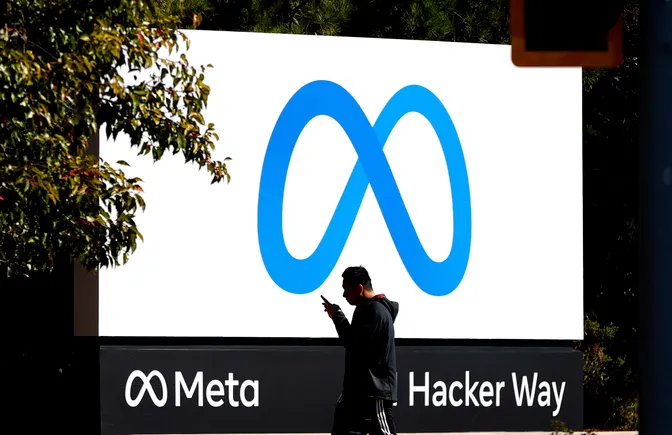
Meta is facing the most challenging lawsuit in its history: attorneys general from 29 U.S. states jointly accuse the company of deliberately designing addictive systems, despite knowing these systems pose risks to users. The case opened in California last week, and if the ruling is unfavorable, Meta could face damages exceeding $1 trillion. This article examines the two core allegations in the trial—whether social media addiction constitutes legally recognized harm, and whether Meta acted with knowledge—and assesses the possible direction of the verdict.
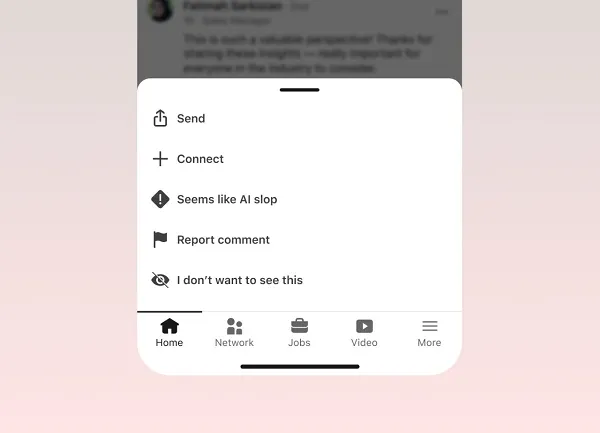
LinkedIn has disclosed that its recently introduced 'seems like AI slop' reporting option has been used by over one million members within the first two weeks of launch. The company also clarified the feature's purpose—it is designed to give users more control over their feeds rather than serve as a policy violation reporting path. Additionally, LinkedIn reported that content it classifies as AI slop is now receiving 40% fewer views compared to a few weeks ago.
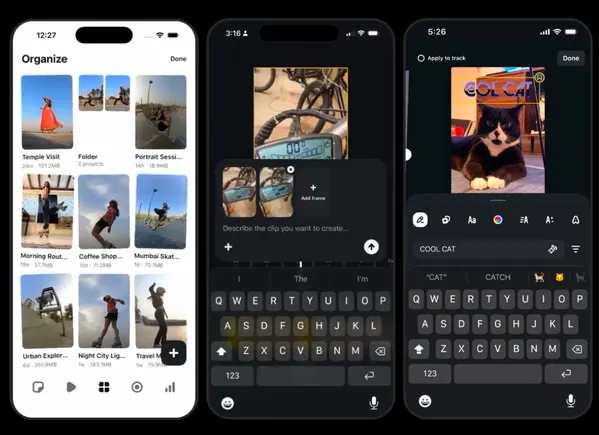
Meta has rolled out another round of updates to its Edits video editing app, adding improved project folder management, an AI-driven still-image-to-video tool for U.S. users, bookmarkable text and caption styles, and new audio search and multi-version project capabilities.