


The U.S. Ninth Circuit Court of Appeals allowed thousands of social media addiction lawsuits against Meta to continue. Previously, a California jury ruled that Meta and YouTube must each pay $3 million for deliberately designing addictive systems. Meta defended itself by arguing that addiction is not a recognized mental illness, but the court did not accept this. Meta also faces federal court trials and invokes Section 230 immunity. Total potential compensation could exceed $1.4 trillion, close to its market value.
Meta CEO Mark Zuckerberg released a 6,500-word manifesto on Monday, reaffirming his commitment to an AI-driven future, outlining his vision for personal superintelligence, while criticizing AI critics and policymakers who may hinder progress.
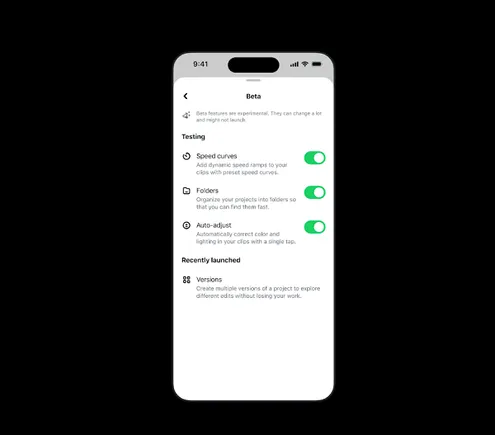
Meta is offering creators new experimental video editing features through the Beta tab of the Edits app, including speed curves, one-tap color correction, folder management, and adjustable layers on Android. These features are off by default, and creators can manually enable them and share feedback.
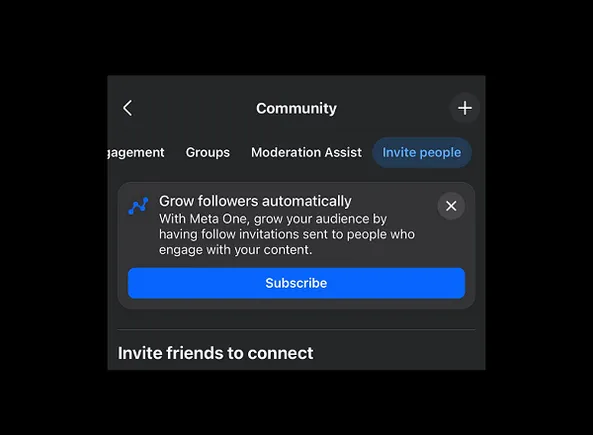
Meta is adding more incentive options for Meta One subscribers, including a larger follow button, expanded AI reply tools, an enhanced homepage, and automatic invitation features, to drive growth for creators and businesses.
A New Mexico court ruled that Meta must pay a $567 million fine for failing to protect teenagers from harm on Facebook and Instagram, and must implement a series of youth safety measures. The ruling could set a new precedent for social media regulation, but Meta has stated it will appeal.

In a recent interview, Meta's Vice President of Data Centers, Rachel Peterson, detailed the company's decision-making process for data center construction and community engagement strategies, while also addressing external questions about water consumption and community impact.
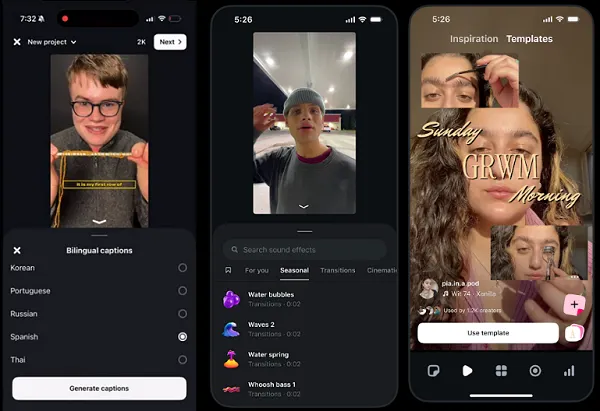
Instagram recently released a set of video creation and editing recommendations, derived from the practical experience of multiple creator advisors. The recommendations focus on how to use Meta's Edits app to optimize content and summarize a five-step workflow: opening with a hook, editing to the rhythm of the audio, reinforcing messages with text and visuals, closing the loop with data feedback, and maintaining an efficient workflow. These tips aim to help creators enhance the appeal and reach of video content such as Reels.
Meta Ads now support payments using stablecoins such as USDC, allowing advertisers to complete transactions through wallets like MetaMask, Coinbase, and Binance. Meta emphasizes that it does not issue or custody stablecoins itself, but instead partners with third-party payment providers. This move is seen as Meta exploring the crypto payment ecosystem with a more cautious approach after the failure of the Libra project.
Meta is advancing full automation of its support system, with its AI-driven Developer Assistant now serving as the primary support tool for developers building on Meta's platforms. The assistant integrates official documentation and API references to provide instant answers. This move aligns with Meta's internal strategy of replacing human roles with AI, but previous incidents of AI agents overstepping their authority still raise security concerns.

With just over 120 days remaining until December 2026, Meta has released its Holiday Insights Hub and marketing playbook to help small businesses prepare for the shopping season. The survey shows that 85% of Meta users have made in-store purchases after seeing products on social media, and 49% plan to increase holiday spending compared to 2025. Meta recommends advertisers start launching ads in mid-October to meet the demand surge driven by Black Friday on November 27.