

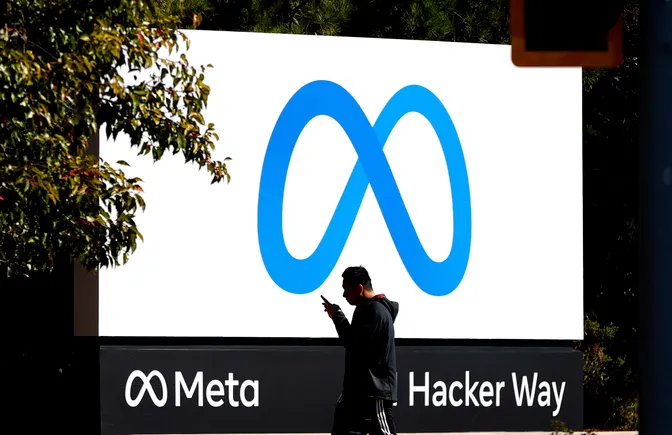
California, Colorado, Kentucky, and New Jersey are seeking a combined $1.4 trillion fine against Meta in lawsuits, accusing it of deliberately designing addictive apps and misleading the public. The amount is close to Meta's market value of approximately $1.5 trillion. Following a March jury ruling that social media can be addictive, Meta is seeking to limit legal risks, but other platforms also face similar lawsuits.
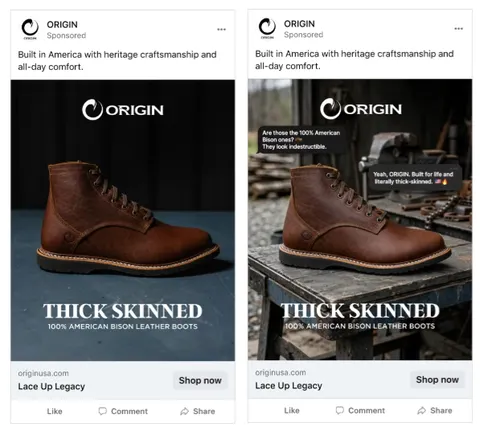
Meta recently upgraded its AI image generation tool for advertisers. The new tool, based on the Muse Image model developed by the company's Superintelligence Labs, supports ad creative redrawing, video-to-still-frame conversion, and leverages a systematic understanding of platform promotions to generate content more aligned with audience feedback. Early testers reported improvements in realism and product fidelity of the output. Meta also revealed that over 8 million advertisers are already using at least one of its generative AI ad creative tools.

Facebook is testing displaying view counts on the main post interface, currently visible only to creators. This test aligns with Meta's overall strategy of shifting toward the "views" metric, but may have a dual impact due to declining user activity on Facebook.
BBC reported that Meta allowed advertisements for child sexual abuse material in India, involving keywords such as "rape video," linking to Telegram channels. Meta initially stated the ads did not violate policies, then removed them. The incident highlights the limitations of AI review, and Meta is facing multiple challenges in AI development.
Meta is attempting to lobby California lawmakers to secure an exemption clause for itself in AB 2, in order to avoid potentially massive fines resulting from the platform's impact on teenage users. The company's political lobbying spending in 2025 has already reached $26.3 million.
Meta recently released a new guide to help marketers optimize AI-driven multimedia ads, supporting the upload of up to 10 image and video assets, with the system automatically generating multiple versions to improve campaign performance.
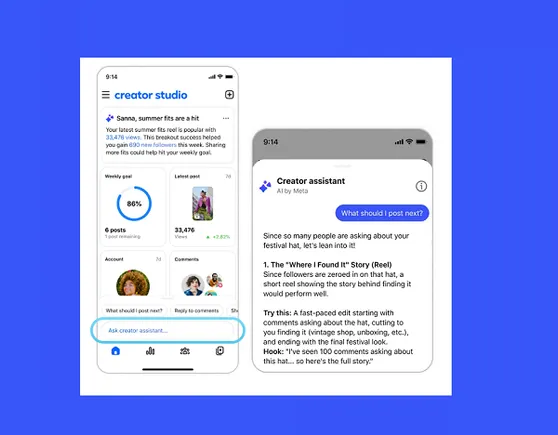
Meta has relaunched Facebook Creator Studio, positioning the new version as an AI-driven creative assistant that integrates features such as the AI Creator Assistant, personalized performance insights, and comment reply suggestions to enhance the platform's appeal to creators. The tool was shut down in January 2023 and now returns amid intensifying competition for creators.
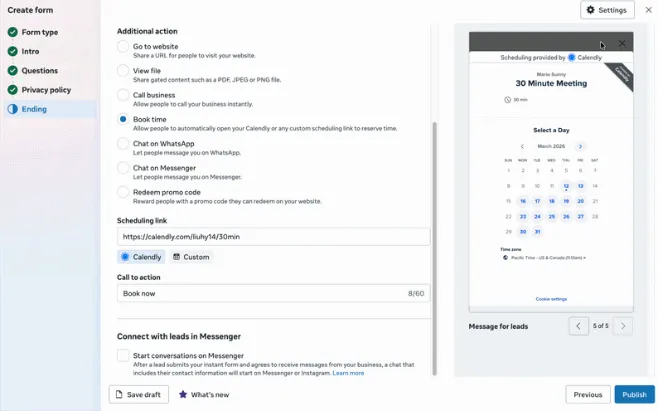
Meta announced the launch of an embedded booking feature for lead ads, integrating third-party booking platforms directly into the ads to reduce drop-off between form submission and appointment scheduling. It supports Calendly and HighLevel, with HubSpot coming soon.

Meta released multiple new AI advertising features, including end-to-end creative solutions, enhanced text generation tools, and the merger of Creator Marketplace and Partnership Ads Hub into Meta Creator Marketing Hub.
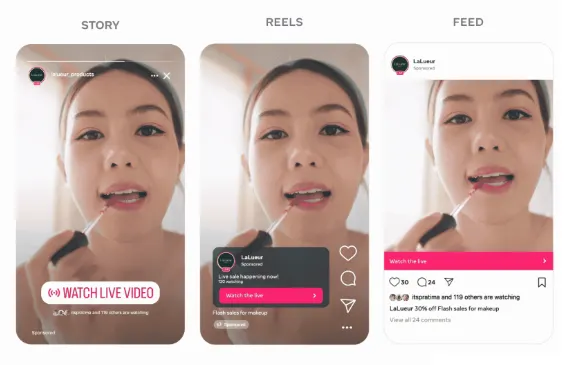
Meta recently announced multiple updates to its live shopping options, aimed at driving purchases during live streams. The updates include expanding live video ads to Instagram and globally launching them on Facebook, adding new Facebook live shopping tools, supporting virtual card payments, and broadening affiliate marketing partnerships. Additionally, Meta has optimized its AI systems for product data matching and ad assembly to enhance audience response and promotional effectiveness.