


Snapchat
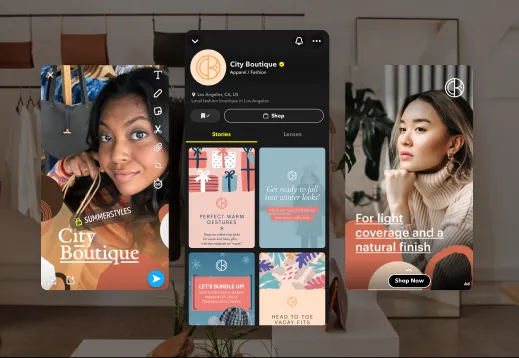
Snapchat, as a social platform frequently used by young users, has nearly 1 billion monthly active users, but its privacy-oriented nature poses challenges for brand marketing. Based on the latest platform developments, this article proposes four strategic recommendations: manually researching competitors and trends, building a differentiated brand persona, creating a public profile and utilizing AI tools, and continuously analyzing and optimizing. It also mentions new features such as the Snap Creator Network and AI advertising assistant, providing a reference for 2026 marketing planning.
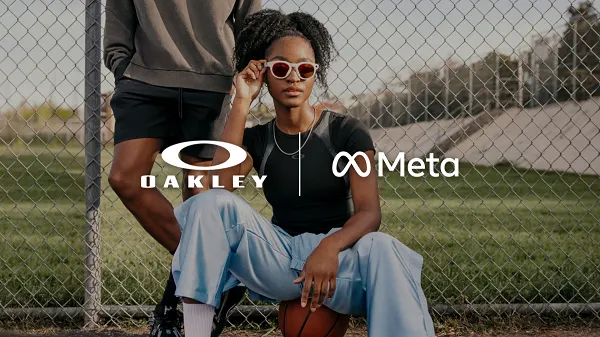
Tech giants like Meta are vigorously promoting AI glasses, but recent negative feedback from users regarding privacy and functionality has risen, potentially hindering the development of this category. Meta has drawn attention over issues such as the removal of indicator lights and content moderation, while Snapchat's AR glasses have also been criticized for their bulky design. Historical cases show that Google Glass was discontinued due to similar problems. Industry observers believe that if negative sentiment persists, AI glasses may repeat the same mistakes.
Snapchat has formed a new partnership with Dick's Sporting Goods, leveraging LiveRamp's data clean room to provide advertisers with linked ad response and in-store sales data under privacy-safe conditions, helping measure ad effectiveness. The integration is now available to all US advertisers.
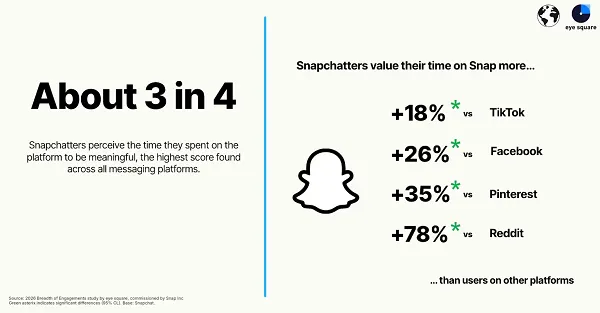
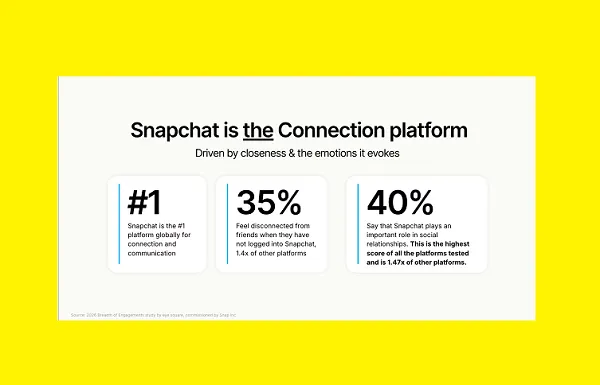
Snapchat released a new report based on Eye Square's 2026 Breadth Engagement Study, covering 13 global markets. Data shows that about 75% of users consider their time spent 'meaningful,' and Snapchat leads Facebook in relationship maintenance and social engagement. The report also notes that advertising in a connection-driven environment can improve unaided recall, favorability, and purchase intent, and can deliver incremental value to existing Facebook video campaigns.

On June 18, Snapchat launched a Crowd Created AR activation at New York's Times Square, partnering with HBO Max to create a 'House of the Dragon'-themed AR advertisement, where pedestrians could interact in real time on large screens. This marks Snapchat's first deployment of a large-scale AR advertisement at a high-traffic landmark, aiming to expand advertising revenue and address user decline.

Snapchat announced the launch of a series of AI-driven advertising tools, covering chatbots in the Ads Manager, intelligent recommendation models for dynamic product ads, creative enhancement features (such as Smart Upscale and image-to-video), open support for third-party AI agents, and a new Snap Creator Network. These updates aim to simplify the ad setup process, improve ad precision and creative quality, and help brands match with creators more efficiently. The company is also facing declining user numbers in the US and Europe, and the new tools may help improve monetization efficiency of the existing audience.
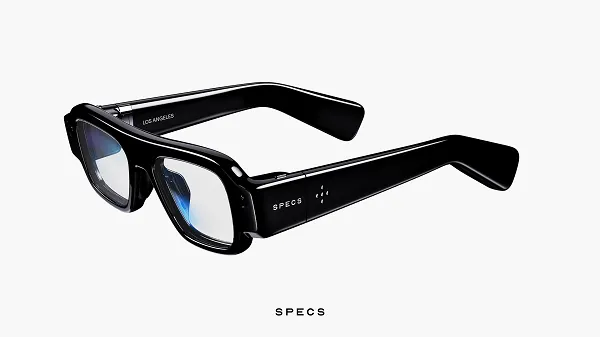
Snap has announced that pre-orders for its augmented reality glasses, Specs, are now open. The device uses a fully integrated computing solution and does not require an external computing unit. The product weighs 132 grams (small size) and 136 grams (large size), and is equipped with self-developed silicon-based liquid crystal display technology, offering a field of view of 51 degrees and supporting 16 million colors. It is priced at $2,195 (including a $200 refundable deposit) and is expected to compete with AR glasses that Meta will launch next year.
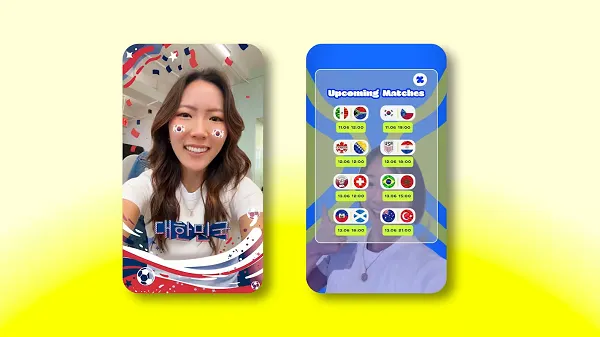
Snapchat recently revealed its full activation plan for the 2026 FIFA World Cup, covering new Bitmoji store items, AR filters, creator collaborations, real-time topic chats, and offline events in two U.S. locations, aiming to boost user engagement on the platform through the tournament.
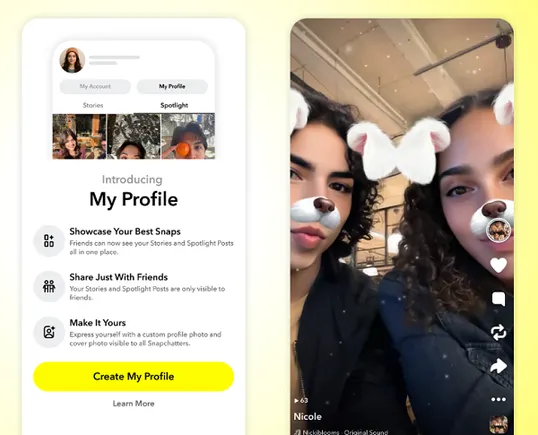
Snapchat this week began rolling out a new experience for users under 16, restricting them to sharing Spotlight videos and Stories only with mutual followers, and removing follower and like counts to reduce potential risks. This move comes as multiple countries consider stricter social media restrictions for teens.
Snapchat partnered with Dentsu to release research using Lumen Research eye-tracking and Kantar brand frameworks to analyze the attention, memory, and sales impact of video ads. Data shows that a single ad exposure increased consumer spending by 4.4% over three months, with a long-term sales lift of 24%, and a CPM 76% lower than non-skippable formats on other platforms.