

Latest news
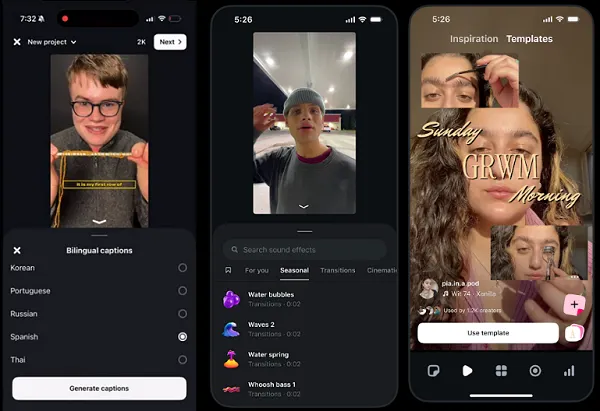
Instagram recently released a set of video creation and editing recommendations, derived from the practical experience of multiple creator advisors. The recommendations focus on how to use Meta's Edits app to optimize content and summarize a five-step workflow: opening with a hook, editing to the rhythm of the audio, reinforcing messages with text and visuals, closing the loop with data feedback, and maintaining an efficient workflow. These tips aim to help creators enhance the appeal and reach of video content such as Reels.
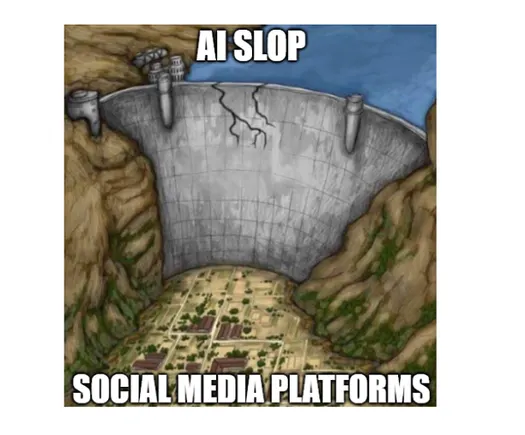
AI-generated content is gradually overwhelming human creations, prompting major social platforms to introduce restrictive measures. This article reviews the latest policies of Pinterest, YouTube, TikTok, Reddit, X, Snapchat, LinkedIn, and Instagram, and analyzes users' aversion to AI content and the future direction of the industry.
TikTok and Disney announced a first-of-its-kind global content sharing agreement, allowing users to create short videos using Disney licensed assets, while Disney can bring selected creator content to the Verts section of Disney+. The partnership also includes a Disney Creator Ambassador program aimed at nurturing emerging creative talent. This move is seen as Disney's strategic shift toward embracing the short-video ecosystem after ending its collaboration with OpenAI's Sora.
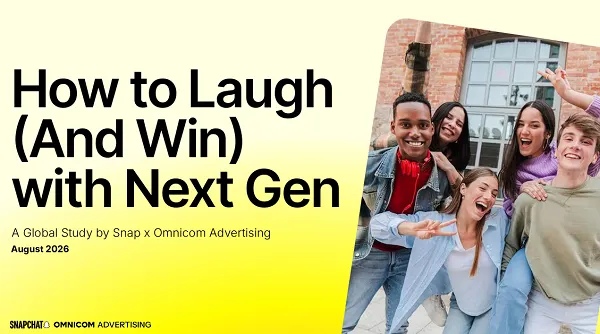
Snapchat released a new report focusing on how younger audiences connect through humor and exploring the value of comedic elements in marketing campaigns. Based on a survey conducted with Omnicom covering over 6,000 users across 6 countries, the report attempts to provide brands with a basic framework for comedy creation.
Meta Ads now support payments using stablecoins such as USDC, allowing advertisers to complete transactions through wallets like MetaMask, Coinbase, and Binance. Meta emphasizes that it does not issue or custody stablecoins itself, but instead partners with third-party payment providers. This move is seen as Meta exploring the crypto payment ecosystem with a more cautious approach after the failure of the Libra project.
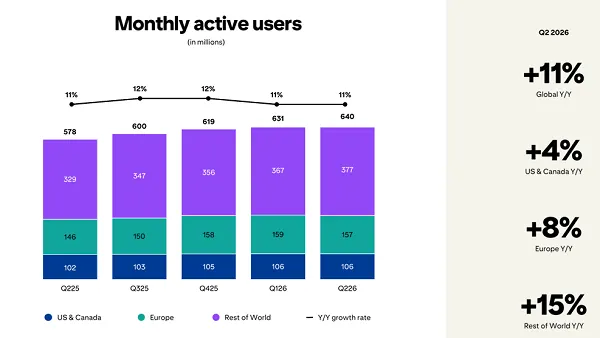
Pinterest reported its second-quarter 2026 earnings, showing AI technology drove an 18% increase in advertising revenue, but user growth slowed in core markets, with Europe losing 2 million users and the US and Canada flat. The CEO emphasized that AI is a business accelerator, and future efforts need to expand into international markets and enhance user engagement.
Meta is advancing full automation of its support system, with its AI-driven Developer Assistant now serving as the primary support tool for developers building on Meta's platforms. The assistant integrates official documentation and API references to provide instant answers. This move aligns with Meta's internal strategy of replacing human roles with AI, but previous incidents of AI agents overstepping their authority still raise security concerns.
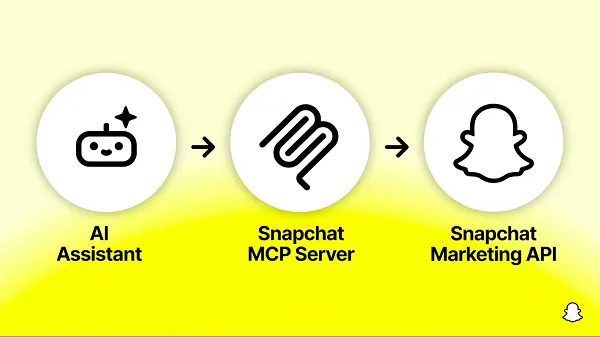
Snapchat has officially launched the Snapchat Ads Model Context Protocol (MCP) server, enabling advertisers to create and optimize ad campaigns using third-party AI tools such as Claude, ChatGPT, and Gemini. The server provides officially hosted connections, with all connections initially read-only; future versions will support write access, and administrators can control access permissions for each AI agent. This move aligns with similar integration trends on platforms like Meta, TikTok, and Pinterest.
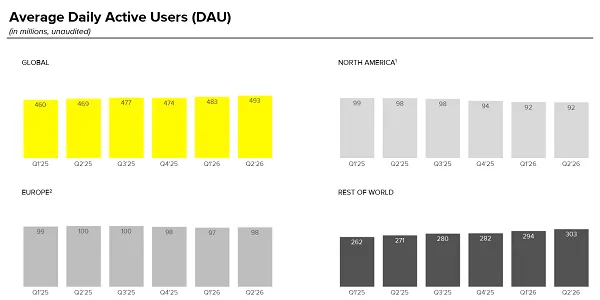
Snap Inc. released its second quarter 2026 financial results: Snapchat's global daily active users grew by 10 million quarter-over-quarter, with total revenue of approximately $1.6 billion, up 19% year-over-year. Advertising revenue increased 9% year-over-year, while other revenue (including Snapchat+ subscriptions) surged 85% year-over-year to $316 million. However, user growth in the US and EU nearly stalled, with core advertising markets weakening; AR glasses Specs received a tepid response after opening pre-orders and drove up costs, becoming the company's biggest risk point going forward.
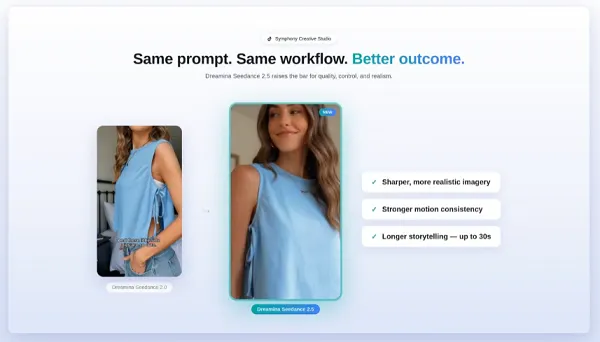
TikTok announced the integration of Dreamina Seedance 2.5 into its Symphony ad creation suite, allowing advertisers to generate up to 30-second video clips with up to 50 multi-modal references. The update promises sharper imagery and better storytelling, though it comes amid user backlash against AI-generated content across platforms.