


Latest news
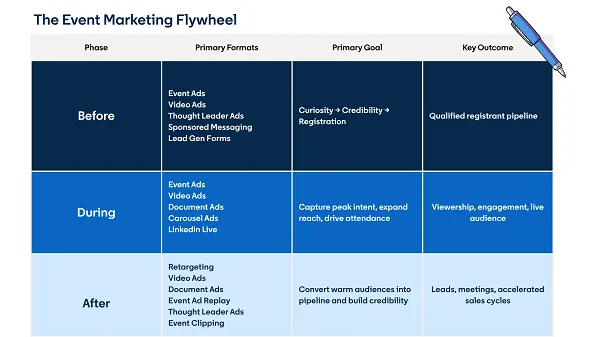
LinkedIn recently released an event marketing guide, noting that event sharing on the platform has grown 24% year-over-year, and recommends brands maximize event value through clear goal frameworks, enhanced follow-up, retargeting ads, and various advertising products.
Snapchat is actively promoting its advertising platform to small and medium-sized businesses (SMBs), sharing brand recommendations through its official blog and highlighting its unique ability to reach young audiences. The platform claims to offer high-intent targeting and self-service budget control, but also clearly states that its vertical visual creativity is not suitable for complex enterprise targeting. Snapchat considers lifestyle e-commerce, mobile apps, and consumer brands targeting Gen Z and Millennials as ideal customers, while suggesting that brands seeking broad reach turn to larger platforms, and service-based businesses consider search advertising. To attract new advertisers, Snapchat also offers an incentive of $75 in ad credit for spending $50.
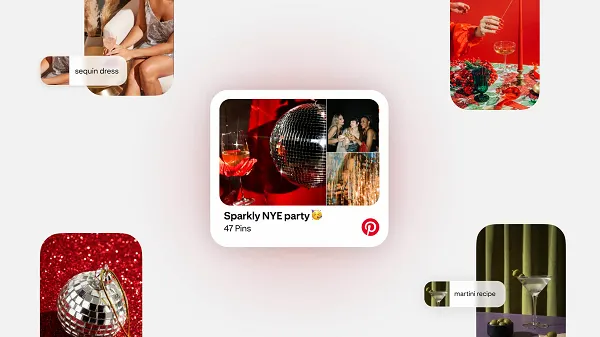
Pinterest recently issued holiday marketing recommendations to brands, noting that users begin planning holiday shopping as early as September, so brands should start year-end promotional campaigns early. The platform recommends using the AI-driven Performance+ tool to enhance efficiency, suggests launching campaigns between September and November, and extending ad delivery to the week after Christmas to reach 55% of ongoing purchasers.
Microsoft's latest earnings report shows LinkedIn's revenue increased 12% year-over-year (10% in constant currency), primarily driven by its marketing solutions business. CEO Daniel Shapero additionally disclosed metrics such as member growth and content consumption, and revealed that the platform is testing a feature to report "AI spam comments" to maintain user trust.
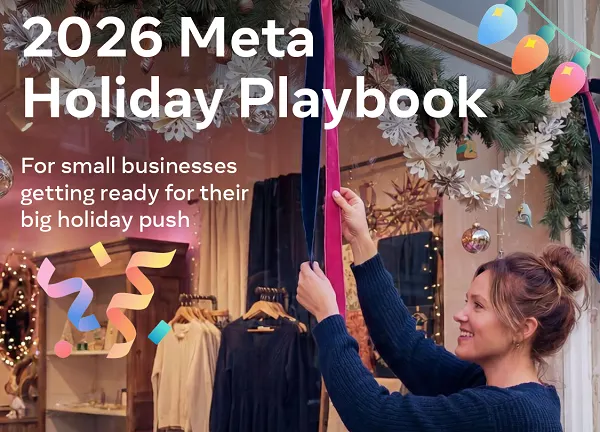
With just over 120 days remaining until December 2026, Meta has released its Holiday Insights Hub and marketing playbook to help small businesses prepare for the shopping season. The survey shows that 85% of Meta users have made in-store purchases after seeing products on social media, and 49% plan to increase holiday spending compared to 2025. Meta recommends advertisers start launching ads in mid-October to meet the demand surge driven by Black Friday on November 27.
Snapchat announced that, effective immediately, videos fully generated by AI on Spotlight will no longer be recommended, and the platform will adjust its algorithm to reward authentic human creation. This move aims to reduce the negative impact of low-quality, repetitive AI content on user experience, while retaining support for AI-assisted edited content.
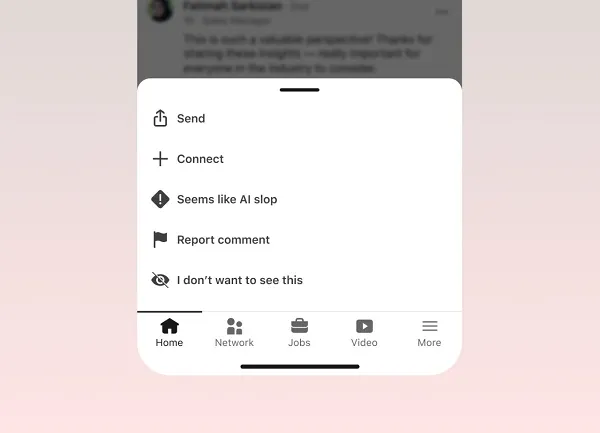
LinkedIn becomes the latest social platform to offer users the option to report AI-generated content. The platform is testing a new feature that lets members flag suspected 'AI spam' in their feeds. Chief Product Officer Hari Srinivasan said this move helps adjust models and improve feed quality. Meanwhile, LinkedIn plans to privately notify reported users in their analytics panel and remove the 'boosted posts' feature, instead offering proofreading tools that do not alter the user's tone.
Snapchat and HubSpot have launched a new integration that allows advertisers to quickly create native lead ads on Snapchat and automatically sync leads to HubSpot via API. The partnership also introduces the Conversions API, helping advertisers track conversion signals and optimize return on ad spend. Snapchat reports that its native lead ads have seen a 77% year-over-year increase in click-through rate and a 26% decrease in cost per lead.
Meta released its Q2 2026 earnings, with advertising revenue up 27% year-over-year to $59.4 billion and total revenue reaching $60.8 billion. Despite strong performance from AI advertising products, earnings missed Wall Street expectations, and the lower end of the full-year capital expenditure range was raised, coupled with weak third-quarter guidance, putting pressure on the stock price.
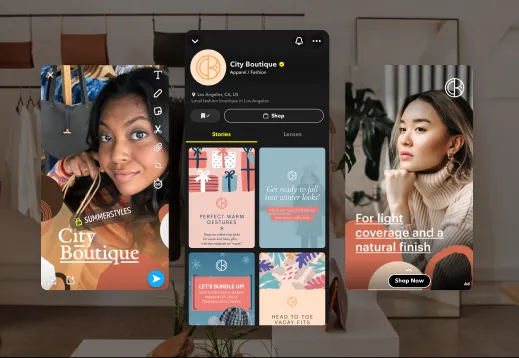
Snapchat, as a social platform frequently used by young users, has nearly 1 billion monthly active users, but its privacy-oriented nature poses challenges for brand marketing. Based on the latest platform developments, this article proposes four strategic recommendations: manually researching competitors and trends, building a differentiated brand persona, creating a public profile and utilizing AI tools, and continuously analyzing and optimizing. It also mentions new features such as the Snap Creator Network and AI advertising assistant, providing a reference for 2026 marketing planning.