


Latest news
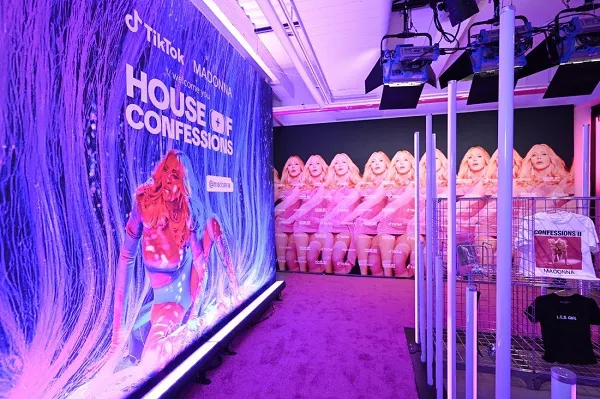
TikTok's live stream with Madonna for her new album release attracted over 2.16 million concurrent viewers, setting a new record for artist live streams on the platform and sparking discussions about music discovery and the potential of live-stream e-commerce.
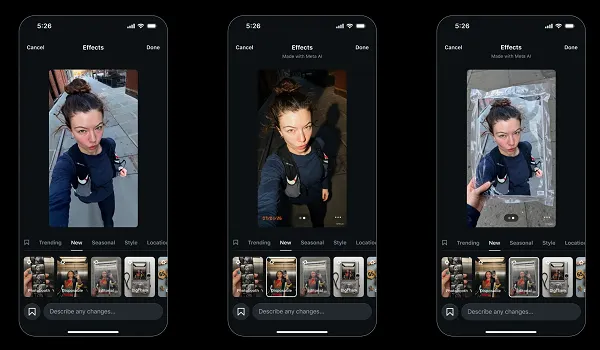
Meta is accelerating the commercialization of its AI features. Instagram head Adam Mosseri confirmed in a weekly Q&A that users will need to subscribe in the future to unlock more AI tool usage quotas. Currently, Instagram has set a daily usage limit for effects based on the Muse image model, prompting users to subscribe once the limit is reached. Meanwhile, the Meta One subscription package already offers unlimited Conversation Focus functionality for paid Meta AI glasses users, while free users are limited to just 3 hours per month. These moves mark Meta's gradual shift of AI costs onto consumers.
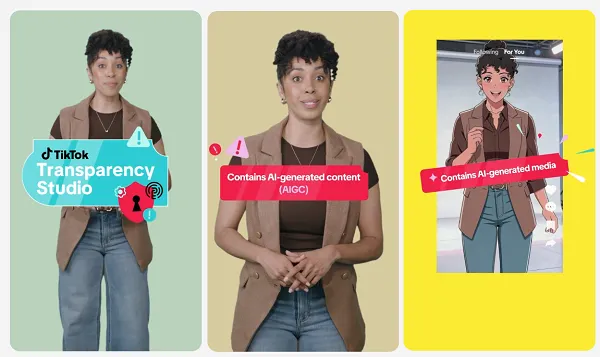
TikTok announced a series of AI literacy measures, including educational guides, an in-app hub, funding support, detection system upgrades, and expanded labeling partnerships, to address challenges posed by AI-generated content.
The European Commission has preliminarily ruled that Meta's Facebook and Instagram violate the Digital Services Act due to addictive design features such as infinite scrolling, autoplay, push notifications, and highly personalized recommendation systems. Meta is accused of failing to adequately assess the potential risks of such designs to users' physical and mental health, including minors and vulnerable adults, and its existing mitigation measures (such as session time limits and parental control tools) are considered insufficient. If the final ruling is upheld, Meta may face fines of up to 6% of its global annual turnover and will need to make substantial design changes to the aforementioned features.

Last week, Meta launched the Muse Image model and Instagram's AI remix feature, allowing users to reference others' public content via @mentions to generate AI images, with the feature enabled by default for all accounts. The feature quickly triggered strong backlash from users and talent agencies, leading Meta to announce its withdrawal within two days. The article analyzes the positive aspects of Meta's rapid response while questioning whether its innovation-first strategy overlooks potential harms, and compares regulatory differences between the EU and the US.

Meta announced the launch of Muse Image, an AI reasoning-based visual creation and remixing tool developed by Superintelligence Labs. The tool allows users to place pets into famous paintings, generate party invitations, and more, and supports use on Instagram and WhatsApp. However, Meta also allows users to AI-remix public Instagram images unless users explicitly opt out. This move has raised questions in the industry about the practicality and authenticity of AI tools, especially in light of Meta's AI head admitting that existing AI experiences are 'not significantly better.'
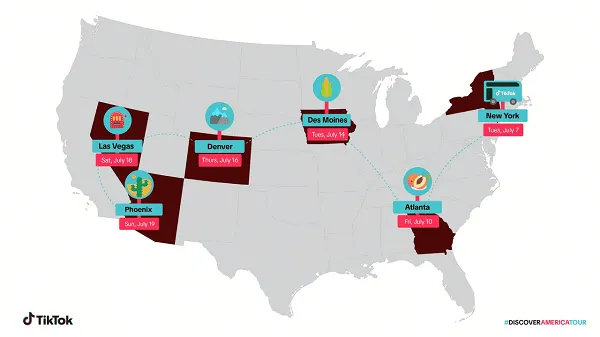
TikTok recently announced the launch of a six-city U.S. tour named 'Discover America' to commemorate the 250th anniversary of the founding of the United States. The event will collaborate with local creators and entrepreneurs to share platform operational experiences and release marketing insights such as regional audience reach, popular searches, and trending interests. TikTok stated that currently 8.5 million U.S. businesses use the app to connect with consumers.

Meta is updating disclosure labels for AI-generated content in Facebook and Instagram ads to ensure consistency with recent changes to its ad disclosure list. The new labels will be automatically applied to images or videos created or significantly edited using Meta's generative AI features, such as background generation, image generation, or adding animations, as well as content generated through third-party tools like Photoshop and DALL-E. Meta will adopt industry-standard detection methods, such as C2PA, to identify third-party AI content, and will continue collaborating with experts, advertisers, policymakers, and industry partners to refine labeling strategies as technology evolves.
California, Colorado, Kentucky, and New Jersey are seeking a combined $1.4 trillion fine against Meta in lawsuits, accusing it of deliberately designing addictive apps and misleading the public. The amount is close to Meta's market value of approximately $1.5 trillion. Following a March jury ruling that social media can be addictive, Meta is seeking to limit legal risks, but other platforms also face similar lawsuits.
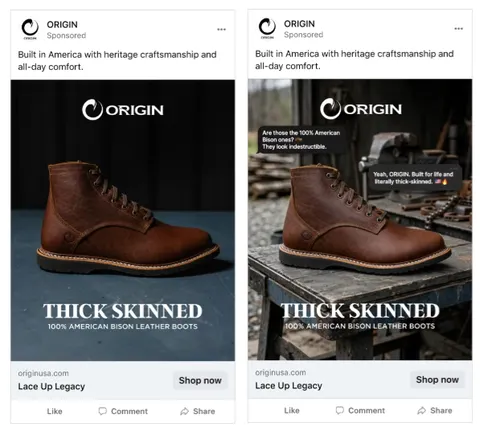
Meta recently upgraded its AI image generation tool for advertisers. The new tool, based on the Muse Image model developed by the company's Superintelligence Labs, supports ad creative redrawing, video-to-still-frame conversion, and leverages a systematic understanding of platform promotions to generate content more aligned with audience feedback. Early testers reported improvements in realism and product fidelity of the output. Meta also revealed that over 8 million advertisers are already using at least one of its generative AI ad creative tools.