


Latest news
Meta has agreed to pay over $18 billion to settle lawsuits brought by 29 U.S. state attorneys general over social media harm to teenagers, and has pledged to implement a series of protections for minors.

AI-generated spam content is becoming a major challenge for social networks. A Pangram report indicates that 41% of long-form posts on LinkedIn show signs of AI generation, and about one-third on X. Although platforms are taking restrictive measures, rising user aversion to AI tools prompts reflection on the essence of social media.

TikTok further expands its Out of Phone advertising program by partnering with six new partners, including Alight Media and DooH it, bringing creator content to more European offline scenarios and enhancing brand exposure potential.
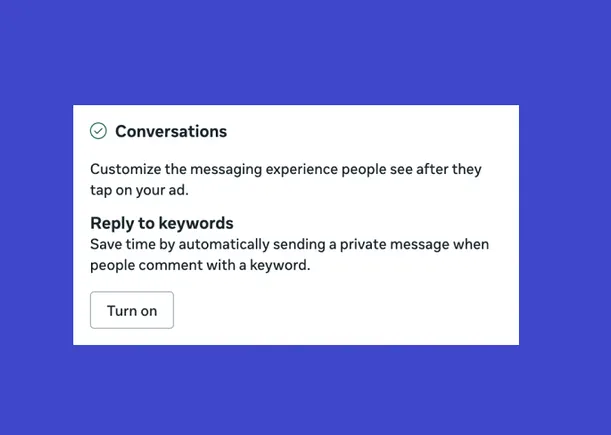
Meta is testing a new Instagram ad feature that allows advertisers to set keywords, and when users post these keywords in ad comments, the system will automatically send private message replies. This feature is currently only available in the Instagram ad setup tool and has not yet been extended to Facebook ads.
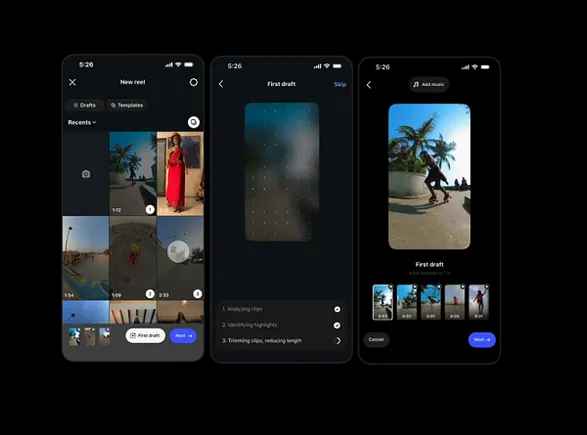
Instagram rolls out First Draft feature, where after users select multiple video clips, the system automatically edits and generates a preliminary Reels video, with all actions reversible, aiming to lower the barrier to creation.

Pinterest's latest report shows that users are shifting from online to offline hands-on practices, with nine major trends such as DIY, retro, and nature emerging, offering marketing inspiration for brands.

TikTok announced the launch of its Substack-based newsletter "The Creator Cut," aimed at helping users maximize content impact through creators sharing stories and tips, with a particular focus on the real-time interaction value of TikTok Live. The newsletter will provide direct creator experiences and, alongside the platform's layout in the live commerce sector, offer references for marketers.

Researchers at the University of Minnesota published a study in the Journal of Nutrition Education and Behavior, analyzing focus group feedback from 25 students aged 15-16 at a Midwestern U.S. high school. They found that food advertisements and influencer videos on TikTok can trigger immediate cravings for specific foods among teenagers, and the platform's algorithm may expose teenagers to over 17 food advertisements per hour. The study suggests that food marketers can leverage TikTok trends and influencer reach to shape teenage interests, but attention should be paid to the potential interference of the platform's persuasive design and impulse control.

TikTok has introduced a 'Legacy Account' option in account settings, enabling users to pre-specify whether their account should be taken over by a designated contact or deleted after death, and to refine the management permissions of legacy contacts. This feature addresses the growing real-world need for handling accounts of deceased social media users.
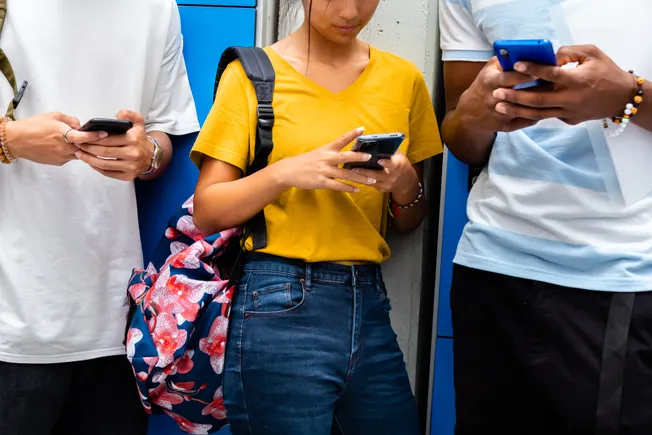
New Zealand has become the latest country to propose restrictions on teenagers' social media use. The government's newly proposed Online Safety Bill would require "high-risk" platforms such as Instagram, TikTok, Snapchat, and Facebook to take reasonable steps to verify whether users are at least 16 years old. However, according to Bloomberg, the bill is unlikely to make progress before the November general election. This move follows Australia's pioneering ban, aiming to protect teenagers from potential harm and reduce the impact of excessive use. But Australia's initial experience shows that such bans have limited effect, with most minors still able to access social media apps and age verification measures having loopholes.