


Latest news

Although Meta's AI glasses are selling strongly, privacy issues caused by their recording function are becoming increasingly serious. Recently, a German non-profit organization filed a criminal complaint, restaurants and theaters in the UK banned their use, ICE in the US restricted wearing them, and DEF CON 2026 also explicitly prohibited them. Additionally, detection apps targeting the glasses and issues of tampering with LED lights have surfaced. Despite Meta and Snap being optimistic about the prospects of smart glasses, regulatory and public concerns may affect market development.
Instagram released an official guide emphasizing the critical role of captions in content strategy, offering six practical tips including strong openings, storytelling, clear CTAs, keyword optimization, multiple captions for carousels, and text formatting to boost user engagement and search visibility.
Meta is facing the most challenging lawsuit in its history: attorneys general from 29 U.S. states jointly accuse the company of deliberately designing addictive systems, despite knowing these systems pose risks to users. The case opened in California last week, and if the ruling is unfavorable, Meta could face damages exceeding $1 trillion. This article examines the two core allegations in the trial—whether social media addiction constitutes legally recognized harm, and whether Meta acted with knowledge—and assesses the possible direction of the verdict.
X launched the X Ads Model Context Protocol (MCP) server on Friday, allowing advertisers to connect X ad data to AI tools such as Claude and ChatGPT, and obtain ad optimization suggestions through natural language queries. The server is compatible with any MCP client, including Grok, Claude Code, and others. Meta, TikTok, Pinterest, and Snapchat have previously offered similar integrations.
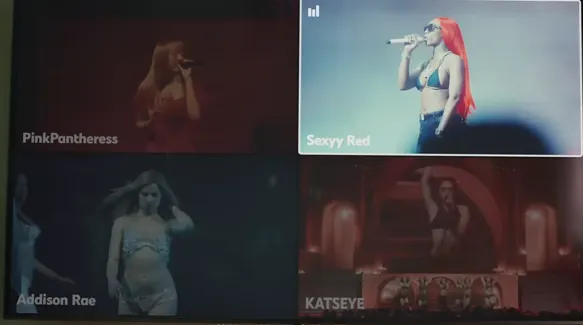
YouTube announced on Friday the expansion of its 'Stations' experiment, following an initial pilot at the 2026 Coachella music festival, now allowing more creators, media channels, podcasts, and musicians to start their own 24/7 streaming channels. The feature aims to provide a TV-like viewing experience, is still in small-scale testing, and is currently unavailable to users in Portugal, Switzerland, and Turkey.
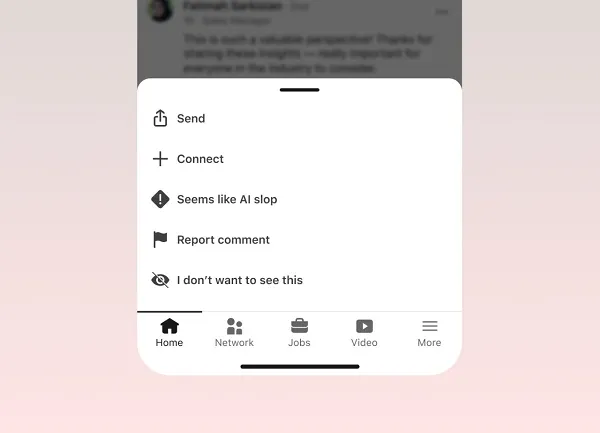
LinkedIn has disclosed that its recently introduced 'seems like AI slop' reporting option has been used by over one million members within the first two weeks of launch. The company also clarified the feature's purpose—it is designed to give users more control over their feeds rather than serve as a policy violation reporting path. Additionally, LinkedIn reported that content it classifies as AI slop is now receiving 40% fewer views compared to a few weeks ago.
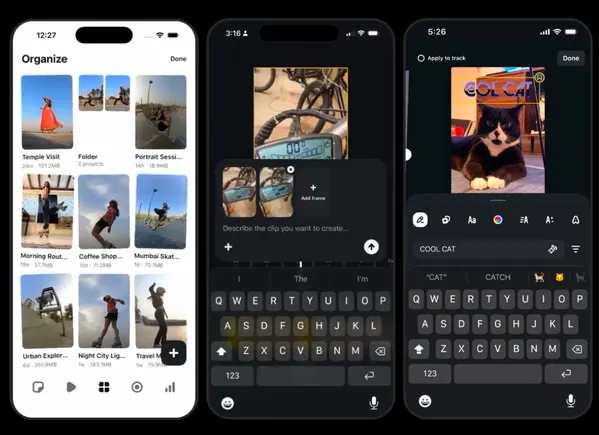
Meta has rolled out another round of updates to its Edits video editing app, adding improved project folder management, an AI-driven still-image-to-video tool for U.S. users, bookmarkable text and caption styles, and new audio search and multi-version project capabilities.
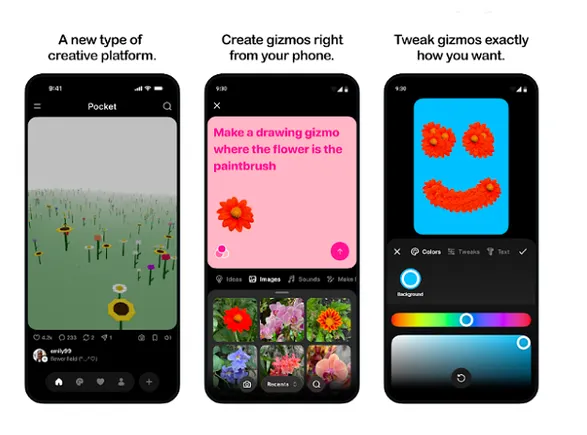
Meta 宣布将其 AI 创意应用 Pocket 扩展至美国市场。该应用基于 Meta 对 Gizmo 的收购,支持用户通过自然语言提示“氛围编程”创建小型交互应用(称为 gizmos),并可在应用内浏览、点赞和评论他人作品。

YouTube has rolled out an improved system to alert creators about AI likeness claims on their content, along with a simplified response process. The platform is renaming its copyright menu to 'Claims' and adding four response categories for dispute resolution, aiming to reduce the impact on creators' performance and earnings.
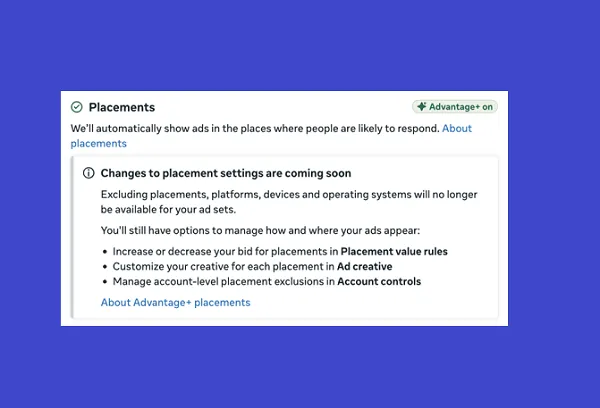
Meta is removing the ability for advertisers to exclude specific ad placements and platforms from their campaigns, according to alerts shared by ads expert Jon Loomer. The move aligns with Meta's long-term vision of fully automated, AI-driven advertising, where advertisers only provide objectives and a URL. While this may enhance performance through system-led optimization, it raises concerns about reduced advertiser control and potential ad homogenization.